HyperX Cloud III Wired Review
A wired, closed-back gaming headset with angled 53mm drivers, a detachable 10mm noise-cancelling microphone, an aluminum frame, and USB-C, USB-A and 3.5mm connectivity.
Marcus Bell's review
By Marcus Bell ·
Category scores
- Build quality 3
The aluminum frame is the right choice and is not what will fail. The cable is. It is permanently attached at the headset end, so the most common wear point on any wired headset is also the one part you cannot replace, which turns a repairable fault into a dead product. The detachable USB adapter additionally attracts a cluster of owner reports about channel imbalance and low output after a few months. Those are anecdotes rather than a measured failure rate, and I am not presenting them as one, but they land on a specific component often enough to mention.
- Microphone 4.5
The best part of the headset and the reason to buy it. SoundGuys measured a relatively flat vocal response and RTINGS found speech clear, full-bodied and well separated from background noise. Two independent measurements agreeing is worth more than any amount of marketing about clarity. The 10mm capsule detaches, the mesh filter cuts plosives adequately, and there is a mute indicator on the boom so you know your state without checking software. At street price this outperforms its bracket.
- Comfort 4
Memory foam under leatherette with a relatively loose clamp, which is the right setup for multi-hour sessions and is what most long-term owners report holding up. Two known costs, both inherent to the pad material and the fit rather than defects: the leatherette traps heat over a long session, and the loose clamp lets the headset shift if you move around. Thick-armed glasses are the usual complication at this pad depth. Fine at a desk, wrong for a workout.
- Performance 3.5
Judged as a competitive gaming headset it does its job: the lean tuning keeps positional cues legible instead of burying them under low end, and the wired connection removes an entire category of dropout. Judged as headphones it is uneven. SoundGuys measured a clear sub-bass shortfall and peaks in the treble that color playback, and both cost you on music, engines and explosions more than they cost you on footsteps. Good at one thing, mediocre at the others, and priced accordingly.
- Features 3
Connectivity is genuinely broad. USB-C with a USB-A adapter and a 3.5mm analog option covers PC, PS5, Xbox, Switch and mobile without a dongle per platform, and that is the practical feature here. The rest I discount. DTS Headphone:X and the software EQ need a Windows PC running HyperX's software, and neither carries over to an Xbox controller through the analog jack. If you are on console, the feature list is shorter than the box implies.
The review
MSRP is $99.99. Nobody pays that. The wired Cloud III has spent most of its life discounted into the $60 to $70 range and has been seen lower, so check the listing and the color you actually want before you decide anything. At MSRP this is a fine headset. At $65 it is an easy recommendation, and the price you find is most of the argument.
The tuning is lean. SoundGuys measured a noticeable lack of sub-bass plus peaks and troughs in the high end that color playback, and concluded it is not the headset you want for music. RTINGS also found the stock tuning light on bass. Those two agree, and they measured it, so treat that as the finding rather than a matter of taste.
What a lean tuning does for you in a competitive shooter is push footsteps and reloads up out of the mix where the low end would otherwise sit on top of them. What it costs you is weight. Explosions sound like events happening nearby rather than events happening to you, and engine notes go thin. If you are coming off a Cloud II you will notice the missing rumble immediately and you may not forgive it. If you play Counter-Strike or Valorant and want to hear someone before you see them, that is the trade working in your favor. Buy it for the thing it is tuned for.
The microphone is the strongest part of the product and, for a lot of people, the whole reason to pick it. It is a detachable 10mm noise-cancelling mic with a mesh filter and a mute indicator on the boom. SoundGuys measured a relatively flat vocal response; RTINGS found speech clear and full-bodied with good handling of background noise. That is better than this price bracket usually delivers, and it is the part I would actually be paying for.
Build is an aluminum frame with plastic earcups and yokes, memory foam under leatherette, on a 1.2-meter cable. The frame is not the part I would worry about. The cable is. It attaches permanently at the headset end, and only the USB adapter at the far end detaches. Cable strain is one of the most common ways a wired headset dies, and this design means a failure near the earcup is not a part you swap, it is a headset you replace. That is a real serviceability mark against it and it is the reason this does not score higher on build.
The detachable USB adapter also draws a disproportionate share of owner complaints, mostly channel imbalance and low output after a few months. I want to be precise about what that is worth: scattered reports are not a failure rate, and I have no measured data on how common it is. It is worth knowing only because the complaints cluster on one specific removable component rather than being spread vaguely across the product, and because that component is at least the replaceable end.
Comfort holds up. Leatherette pads seal well and isolate better than fabric, and they also trap heat, which is the standard trade and worth knowing if you run warm or play in a hot room. The clamp is on the loose side, so it stays comfortable for long sessions but will shift if you move around much. Thick-armed glasses are the usual complication with any leatherette pad this depth. This is a desk headset.
Two practical notes. Wired means no battery to degrade and no 2.4GHz dropouts, which is a genuine reliability advantage and not an audio-quality claim. And DTS Headphone:X and the software EQ require a Windows PC running HyperX's software. Those settings do not follow the headset onto an Xbox controller over 3.5mm. If you are buying this for console, assume the software features do not exist, and in particular do not plan on EQ-ing your way around the bass shortfall, because on console you cannot.
Frequently asked questions
Is the Cloud III Wired good for hearing footsteps?
Yes, and that is its main strength. The tuning is light on bass, which leaves footsteps, reloads and other midrange positional cues sitting clearly on top of the mix instead of competing with low-end rumble. The same characteristic is why explosions and engines sound thin. It is a deliberate trade and it favors competitive shooters.
Does it have good bass?
No, not if you want impact. SoundGuys measured a noticeable lack of sub-bass and RTINGS independently found the stock tuning light on bass. Two measured sources agree. If you are coming from a Cloud II, expect to miss the low end, and if you mainly want a music headphone, buy something else.
Is the cable replaceable?
Only the far end. The USB adapter detaches, but the cable is permanently attached where it enters the headset. Since cable strain near the earcup is one of the most common ways a wired headset fails, that is the single biggest serviceability weakness on this design.
Do the EQ and DTS settings work on Xbox?
No. DTS Headphone:X and the software EQ require a Windows PC running HyperX's software, and those settings do not carry over when you plug into an Xbox controller over 3.5mm. Do not buy this planning to EQ around the bass shortfall on console, because on console you cannot.
Wired or wireless Cloud III?
Take the wired one unless you specifically need to walk away from the machine. Wired removes battery degradation and 2.4GHz dropouts from the ownership picture entirely, and it is consistently cheaper. Wireless buys you freedom of movement and costs you a battery that will lose capacity in a few years.
Is it comfortable for long sessions?
Generally yes. The memory foam and loose clamp suit multi-hour use. The leatherette pads do trap heat, so a long session in a warm room gets sweaty, and the loose fit means the headset shifts if you move around much. If you wear thick-armed glasses, try before you commit.
Ready to buy the HyperX Cloud III Wired?
Check price at Amazon →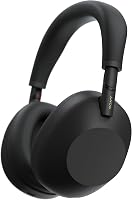


Comments
No comments yet — be the first to share your experience with the HyperX Cloud III Wired.