Generic Electronic Shooting Earmuffs Review
Low-profile electronic shooting earmuffs with sound amplification, a stated 22 dB NRR, foldable cups, a 3.5 mm audio jack, and an OD green finish.
Tyler Harker's review
By Tyler Harker ·
Category scores
- Features for the money 4
Amplification, a 3.5 mm jack, folding cups, and an OD green shell is the complete feature list of muffs costing meaningfully more. Nothing here is missing. That's the whole appeal and it's a real one.
- Brand accountability 1.5
The brand is literally "Generic." No model number, no published test data, no warranty worth the name, and nobody to go back to when the electronics quit. For a phone charger, who cares. For hearing protection, this is the score that should give you pause.
- Hearing protection 2.5
The over-ear format is the easy one to fit correctly, and a claimed 22 dB NRR is a legitimate regulated figure rather than a made-up one. But 22 dB is low for gunfire, and with no brand or model number there's no way to check whether the required ANSI S3.19 testing was ever done on these cups. Wear plugs underneath and the point becomes mostly academic.
- Rifle fit 3
The listing specifies low-profile cups, which is the one design decision that actually matters with a long gun, since a fat cup gets shoved by the stock right as you settle into your cheek weld. I'll credit the intent. Without a published cup depth I can't tell you it clears your particular stock, so check it dry with an unloaded rifle before you're on the line.
- Value 2.5
Cheap is only a bargain if the number on the cup is real, and hearing damage doesn't give you a do-over. As a spare or loaner pair worn over plugs, the price makes sense. As your only protection, you're saving twenty dollars on the wrong thing.
The review
The brand name on this listing is "Generic." I'm not being cute, that is what's in the brand field. Pretty much everything I have to say follows from that.
The spec sheet reads: 22 dB NRR, sound amplification, 3.5 mm jack, foldable low-profile cups, OD green. If that sounds familiar it's because it is the Howard Leight Impact Sport formula, which has been the default loaner muff at every range I've been to for about fifteen years. So this is a copy of a good design. Copying a good design is fine. I do it constantly.
The problem is the number. NRR isn't marketing garnish, it's a regulated label. EPA requires every hearing protector sold in the US to be tested to ANSI S3.19 and labeled with the result before it can be sold. So "22 dB" is a legal claim, not a vibe. What I can't tell you is whether anyone actually ran that test on these specific cups, or whether 22 got typed into a listing template because it looked about right. No brand, no model number, no test data. On a pair of headphones that's a shrug. On the thing standing between a muzzle blast and your cochlea, it's the entire review.
And even if the 22 is honest, 22 isn't much. NIOSH's position on firearms is plugs and muffs together, every shot. The two ratings don't add up, either. The rule of thumb OSHA uses is about 5 dB over the better of the two, so 22 dB muffs over decent foam plugs puts you somewhere in the low thirties. That's the arrangement you want indoors no matter what's printed on the cup, so in a sense the weak NRR matters less than it sounds. It just means these are never the whole answer.
Worth saying plainly, because the marketing blurs it: the electronics don't protect you. In a level-dependent muff the plastic and the foam do the attenuating. The mics and speakers just pipe the quiet stuff back in so you can hear a range officer without lifting a cup. That's a genuinely useful feature and it's why electronic muffs are worth the money over passive ones. It is not a safety feature.
One thing that costs nothing and everybody skips: your safety glasses. The temple arm runs right under the ear cushion and breaks the seal, and a broken seal turns any NRR into a number on a box. Glasses on first, then muffs, then run a finger around both cushions and feel for the gap.
So would I buy them? For me, no. I'd pay the extra twenty bucks for an Impact Sport or a Walker's, because I want a model number I can look up and a company that still exists when the amplification dies in month six. That is the part that always dies, incidentally. Not the cups.
Where these do make sense is a bin of loaner pairs for friends who show up empty handed. Worn over plugs, at an outdoor range, cheap and replaceable genuinely beats good. That's a real use case and I'm not going to pretend it isn't. It's just not the pair I'd put on my own head.
Frequently asked questions
Is 22 dB NRR enough for shooting?
On its own, not really, and that's true of most muffs. NIOSH recommends earplugs and earmuffs together every time a firearm is fired. The ratings don't add: the usual estimate is about 5 dB over the higher of the two, so 22 dB muffs over foam plugs lands you in the low thirties. Do that indoors especially.
Can I trust the NRR on an unbranded product?
You can't verify it, which is the honest answer. EPA rules require every hearing protector sold here to be tested to ANSI S3.19 and labeled with the result, so the claim is a real regulatory statement. Whether a no-name seller actually ran the test and filed the data is something the listing gives you no way to confirm.
Does the electronic feature provide the protection?
No. The cups and foam do the attenuating. The microphones and speakers just let quiet sound through so you can hear conversation and range commands without lifting a muff. Useful, but it's a convenience feature, not a safety one.
Will these work with a rifle?
The cups are described as low-profile, which is the right idea, since a bulky cup gets pushed by the stock as you settle in. Nobody publishes the actual cup depth, so mount your rifle at home with an empty chamber and check that the muffs stay seated before you count on it.
What about my safety glasses?
This is the thing that quietly ruins hearing protection. The temple arm of your glasses runs under the ear cushion and breaks the seal. Put the glasses on first, then the muffs, then feel around both cushions for a gap. A broken seal makes the NRR meaningless.
Should I just buy a name brand instead?
For your own regular pair, yes, I would. A Howard Leight Impact Sport or a Walker's costs a bit more and gives you a model number, published testing, and a company that still exists in a year. Buy the generic ones as spare loaners for friends who turn up without any.
Ready to buy the Generic Electronic Shooting Earmuffs?
Check price at Amazon →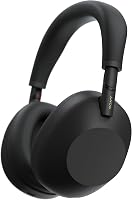


Comments
No comments yet — be the first to share your experience with the Generic Electronic Shooting Earmuffs.